
Periodontitis Treatment in Monterrey
Periodontitis, or gum disease, is a chronic infection that can lead to tooth loss if not treated. At our clinic in Monterrey, we provide specialized diagnosis and treatment to stop its progression and restore your gum health.
Call or message us to schedule an appointment!
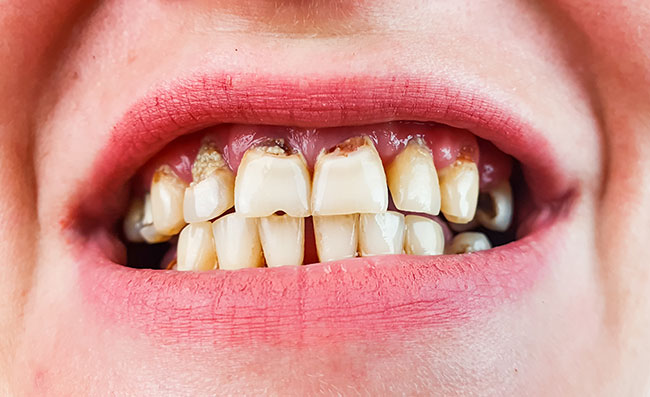
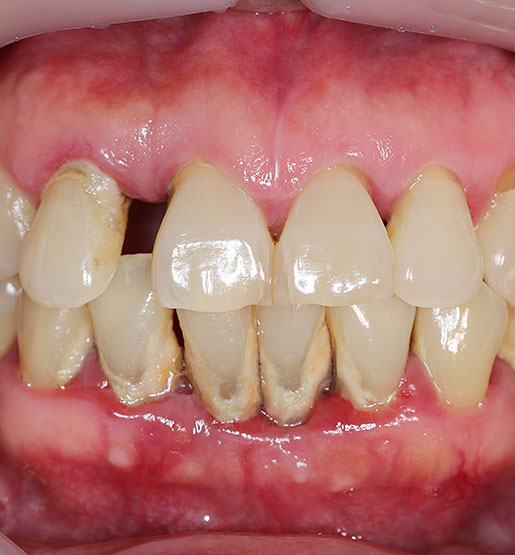
Periodontal disease commonly known as periodontitis is the advanced stage of gum disease. It is a chronic, slowly evolving infection that progressively destroys the tooth’s supporting tissues, such as the alveolar bone and periodontal ligament.
The disease is caused by the accumulation of dental plaque. If plaque is not adequately removed with brushing, it calcifies into tartar (calculus). This early stage is called gingivitis and is characterized by inflamed, bleeding gums. Its treatment is relatively simple and, with a visit to the periodontist, its progression can be stopped.
When tartar has been present for a long time, the gum separates from the tooth, forming a periodontal pocket, and the bone that supports the tooth gradually deteriorates. At this stage, it is no longer called gingivitis it has evolved into periodontitis.
Periodontitis continues to advance over the years until the tooth is ultimately lost. Progress is usually painless; discomfort tends to appear in the final stages.
What are the most common gum diseases?
Gum diseases range in severity from mild, reversible conditions to serious problems that compromise overall dental health. Recognizing the most common ones helps underscore the need for professional diagnosis.
Gingivitis

As noted above, gingivitis is gum inflammation one of the most common gum diseases and it affects over 50% of the adult population. Signs include bleeding when brushing, swollen gums, and redness.
Healthy gums are typically firm, coral-pink, and do not bleed when stimulated. Gums may appear darker in some ethnic groups due to normal pigmentation.
Oral cancer

Although less common, oral cancer can occur in any soft-tissue structure of the mouth. On the gums, it may present as a red or white patch or a non-healing sore.
At Periodoncista Dr. Daniel Fernández, a dental clinic in Monterrey with 10+ years’ experience in diagnosis and treatment, we have specialists in gum disease and dental implants.
Periodontitis

Another common gum condition is periodontal disease or periodontitis. While symptoms resemble gingivitis, periodontitis also causes loss of gum tissue and jawbone.
The tissue loss due to periodontitis is particularly concerning because lost gum and bone do not regenerate on their own. In advanced cases, dental implants may be the only restorative option.
Periodontitis is a progressive disease that may not cause pain until the late stages which is why gum disease is a leading cause of tooth loss.
Gum recession

Gum recession exposes the tooth root as the gumline pulls away from its original position. It can result from gum disease due to jawbone loss around the teeth.
Anywhere jawbone is lost, the root is exposed. Exposed roots become temperature-sensitive, are more prone to decay, and can present a cosmetic issue.
Other causes of gum recession include:
- Inherited thin or weak gums.
- Teeth grinding (bruxism).
- Overly aggressive brushing.
- Orthodontic treatment or trauma.
- Chewing tobacco.
Another problem linked to gum disease is a periodontal abscess often starting as a blister or bump on the gum that contains pus. It is caused by a bacterial infection in a deep periodontal pocket, leading to pain and swelling.
At Dr. Daniel Fernández Dental Clinic, we care about your gum health. Contact us now to prevent or treat any periodontal disease.
Request an appointment to begin your treatment.
Frequently asked questions about Periodontal Diseases
- Persistent bad breath.
- Red, inflamed gums.
- Spontaneous bleeding or bleeding when brushing.
- Receding gums or teeth that look longer than usual.
- Loose teeth or teeth that have shifted position.
- Tooth sensitivity.
- Systemic diseases like diabetes, which slow periodontal tissues’ response to plaque-related infections.
- Pregnancy, due to hormonal changes that heighten gingival inflammation.
- Smoking, which increases inflammation and impairs healing.
- Fixed or removable prostheses that hinder hygiene and encourage plaque accumulation.
- Misaligned teeth, which are harder to clean.
- Orthodontic appliances, which retain plaque and food debris.
Because the condition is bacterial, and antibiotics or rinses cannot remove adherent deposits, it’s necessary to mechanically remove all food debris, tartar, and bacteria that irritate the gums.
After diagnosis, periodontal treatment follows two paths: Scaling and root planing (deep cleaning/curettage), and periodontal surgery.
Improving oral hygiene during and after treatment is indispensable for success.
People over 35 lose more teeth to periodontal disease than to cavities. The best prevention is daily proper brushing, correct floss use, and checkups/cleanings with a periodontist every six months.
Research shows gingivitis affects nearly everyone, children and adults alike. While periodontitis rarely affects children, 1 in 2 adults over 35 has it or has had it.
Healthy gums are firm, pale pink, fully cover the tooth root, and do not bleed when brushing.
Unlike dental caries, diet plays a minor role in gum health. That said, raw fruits and vegetables can help sweep away plaque and reduce gingival inflammation.
While tobacco alone doesn’t directly cause periodontal disease, it worsens its course and reduces treatment efficacy by lowering the gums’ defenses against bacteria.
Oral bacteria can be transmitted, but periodontal disease itself is not contagious; it develops through a slow infectious process influenced by factors like immune status and hygiene habits.
Periodontal disease is a progressive, painless infection. Delaying treatment can lead to bone and tooth loss, bad breath, gum bleeding, and possibly abscesses.
Studies show that oral bacteria are linked to premature birth and low birth weight in pregnant women. Periodontal disease is also associated with a higher glycemic index in diabetic patients and a greater risk of strokes and heart attacks.
Not necessarily. However, hormonal stages such as pregnancy and menopause can cause temporary gum changes that require special care.
Not always. Early treatment can often control the disease with less invasive therapies like scaling and root planing.
With today’s advances, most teeth can be treated successfully. When the disease is very advanced with pain and abscesses it may indicate the final stages, and treatment options become limited.
Yes, provided the periodontal disease is controlled first. The treatment plan and duration depend on each case.
Yes. There are biomaterials (bone grafts, membranes, proteins) that can regenerate bone, though it’s a delicate procedure with specific indications.
Book a valuation appointment
Timely treatment of periodontitis is key to preserving your teeth and overall health.