
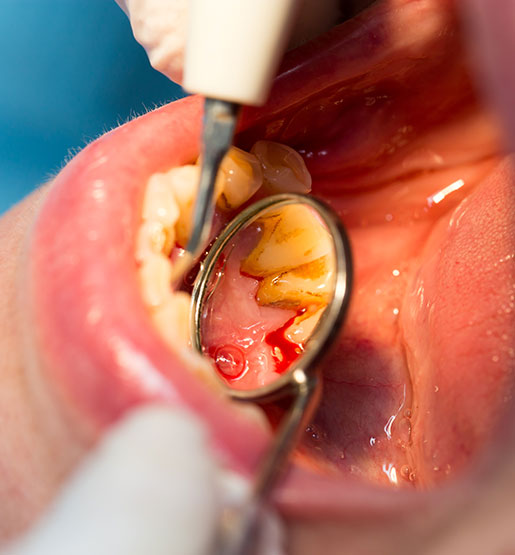
Dental Curettage in Monterrey: Treatment for Periodontitis
Dental curettage, or deep dental cleaning, is the recommended treatment to stop the progression of periodontitis. This procedure involves the deep removal of tartar buildup below the gum line, on the root surface, to allow the tissues to heal.
Call or write us to schedule an appointment!
Dental Curettage Procedure
Scaling the teeth involves removing tartar buildup above and below the gum line. Root planing, on the other hand, eliminates rough areas where germs accumulate, with the aim of reducing inflammation.
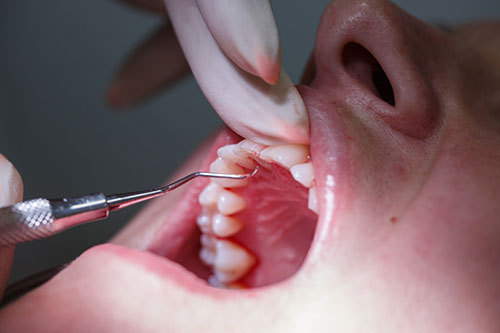
Difference Between Curettage and Conventional Dental Cleaning
There is some confusion about the differences between a regular cleaning and curettage. Dental cleaning consists of removing tartar from the surface of the tooth. Curettage, on the other hand, is a much deeper cleaning, reaching the bottom of contaminated periodontal pockets and removing tartar deposits that are attached to the root below the gum line.
If periodontitis is not treated in time, it can cause tooth loss. It is a slow process that often goes unnoticed and is painless. Therefore, it is important to maintain good oral hygiene habits and see a periodontist if you experience symptoms such as bleeding, gum inflammation, bad breath, or loose teeth.
Request an appointment for an evaluation.
Indications for Dental Curettage
Curettage is indicated for patients with periodontitis. This treatment is essential to prevent the worsening of gum disease and potential tooth loss in the future.
Periodontitis may include the following signs and symptoms:
- Swollen, bright red gums.
- Tender gums that bleed easily.
- Persistent bad breath.
- Pus between the gums and teeth.
- Pain when chewing.
- Loose teeth.
- Receding gums or teeth that appear longer than normal.
- Changes in chewing patterns.

Benefits of Dental Curettage
Periodontal treatment provides multiple oral-health benefits, including eliminating gum bleeding, reducing the risk of tooth loss, and controlling bad breath, among others. It also has a positive impact on overall health and quality of life.
Cost of a Dental Curettage
Many factors determine the price, such as your overall condition and the number of visits needed to complete treatment. The best approach is to visit our office so we can offer a personalized treatment plan.
Dr. Daniel Fernández is a periodontitis specialist with over 15 years of experience treating gum disease.
Contact us to schedule your first appointment.
Frequently Asked Questions About Dental Curettage
Scaling and root planing do not hurt. Local anesthesia is applied beforehand, so you won’t feel discomfort during treatment. Once anesthesia wears off, you may experience tooth sensitivity and mild discomfort typical of the procedure, which usually resolves on its own after a few days.
Timing depends on the patient and how advanced the periodontal disease is. Treatment is often performed by quadrants or sections of the mouth. Each quadrant typically takes 30–45 minutes.
Theoretically, curettage is performed only once. However, to prevent tartar buildup, the periodontist schedules periodontal maintenance appointments every 4 to 6 months, depending on the individual case. These appointments allow the periodontist to perform selective curettage on specific teeth.
If the patient attends their checkups regularly and follows their periodontist’s instructions, it will not be necessary to undergo a complete periodontal treatment again.
Although it’s minimally invasive and usually comfortable, follow these steps:
- Brush gently the day of the procedure.
- Analgesics may be prescribed for the first 2–3 days, depending on pocket depth.
- While there are no strict diet restrictions, it’s best to avoid very hard foods for the first 1–2 days so as not to irritate healing gums.
- Antibiotics may be prescribed at your periodontist’s discretion.
The best way to prevent gum disease is to maintain a daily oral-hygiene routine and visit your dental clinic regularly.
The person qualified to perform curettage is a periodontist, since they are the dentist specialized in the prevention, diagnosis and treatment of periodontal disease.
Schedule a valuation
A timely deep cleaning is essential to stop periodontitis.