Oral health depends on simple hygiene habits like brushing and flossing. However, there are other aspects to keep in mind to ensure optimal oral health.
Diet
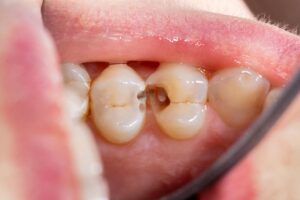
Diet plays a fundamental role in oral health. Brushing perfectly three times a day can’t undo the effects of poor eating habits. When it comes to caries and cavities, the key is how often teeth are exposed to sugar.
There are hidden sugars in foods you might not expect for example, milk. Some children fall asleep with a bottle in their mouth or don’t brush after drinking milk, which contributes to early childhood caries.
Drinking plenty of water helps remove sulfur compounds produced in the mouth that cause bad breath. Eating water-rich, fibrous vegetables like carrots and celery stimulates saliva flow, which helps wash away bacteria.
Meal timing
It seems logical to think the best time to brush is right after eating, but that idea is mistaken.
Right after a meal, the mouth becomes acidic. If you brush immediately, you’re rubbing acids onto the teeth, making their damaging effect stronger and longer-lasting.
Acid demineralizes and weakens the tooth surface, making teeth more prone to decay. That’s why it’s best to wait 30 minutes before brushing, so the oral environment can return to a safe pH.
Foods consumed during the three main meals are less harmful because more saliva is released, which reduces acid effects.
The more snacking between meals, the more acidic periods you create in the mouth. So, in addition to waiting 30 minutes to brush after eating, it’s wise to limit snacks.
A method for brushing your teeth
Most people leave parts of the tooth surface unbrushed because they do it randomly. For correct brushing, follow a method: start in one corner of the mouth and slowly brush tooth by tooth, top and bottom, until you reach the other corner.
Beyond technique, keep these points in mind to ensure effective brushing:
- Replace your toothbrush every 2–3 months.
- Use a fluoride toothpaste.
- Choose the brush size according to the person’s age.
- Prefer a comfortable, ergonomic handle for better control.
- Make sure bristle tips are rounded and textured to avoid damaging enamel and gums.
In addition to brushing well and watching your diet, be sure to use dental floss at least once a day.
When should you see the dentist?
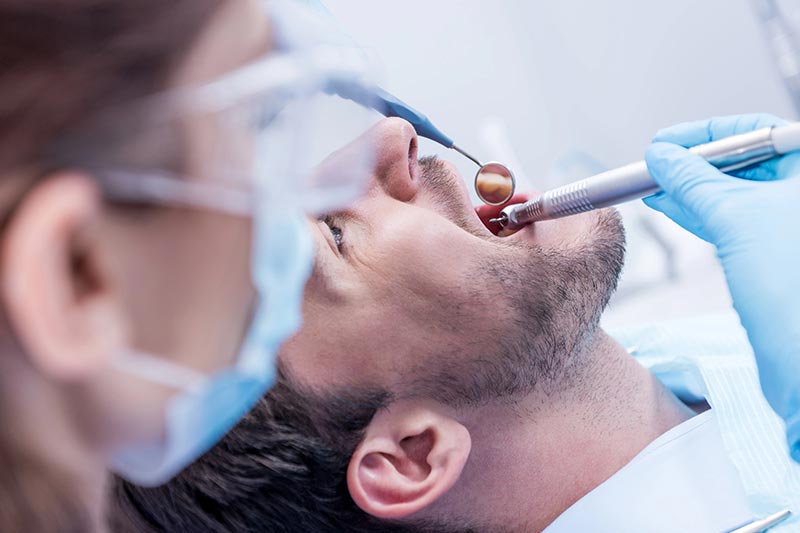
To prevent periodontal diseases and other oral-health problems, schedule regular cleanings and checkups with your dentist, including X-rays.
Meanwhile, contact your dentist if you notice any of the following signs or symptoms:
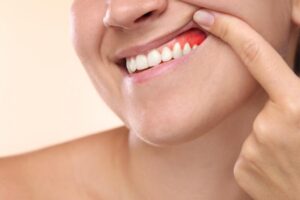
- Red, tender, or swollen gums.
- Bleeding gums when brushing or flossing.
- Gums pulling away from the teeth.
- Loose teeth.
- Unusual sensitivity to cold or heat.
- Persistent bad breath or a strange taste in the mouth.
- Pain when chewing.
Remember: early detection of periodontal disease and other oral conditions can help keep your teeth healthy for many years.
This text describes care habits and warning signs like gum bleeding or sensitivity. If you have any of these symptoms, it’s important to get a professional diagnosis.
If you’re experiencing any warning signs, get an early diagnosis send us a message to book your appointment.