Did you know that nearly half of adults over age 30 have some form of periodontal disease? That’s why it’s so important to keep an eye on gum health.
What is periodontics?
Periodontics is the dental specialty focused on the prevention, diagnosis, and treatment of diseases that affect the gums, the root cementum, and the alveolar bone.
The main periodontal diseases are gingivitis (gum inflammation with bleeding) and periodontitis (destruction of the bone that supports the teeth). Untreated gingivitis often progresses to periodontitis and can end in tooth loss.
Gingivitis can be reversed by reducing inflammation starting with good oral hygiene to control dental plaque and professional cleanings to remove tartar.
Periodontitis is irreversible, as lost bone cannot be regained.
Several factors contribute to these diseases, including tobacco use, stress, crowded teeth, bruxism, diabetes, and hypertension.
These conditions are hard to detect because they usually don’t cause pain (with a few exceptions). Watch for bleeding and suppuration (pus).
Diagnosis is made after a clinical exam and X-rays. Your dentist will determine the degree of gum inflammation and bone loss and define the appropriate treatment plan.
What are periodontal diseases?
Periodontal diseases fall into two broad groups:
- Gingivitis: when only the gum is affected.
- Periodontitis: when the periodontium (supporting tissues) is affected.
Gingivitis is gum inflammation caused by plaque buildup. It does not affect bone, so it is reversible if treated properly; otherwise, it can become irreversible, progressing to periodontitis.
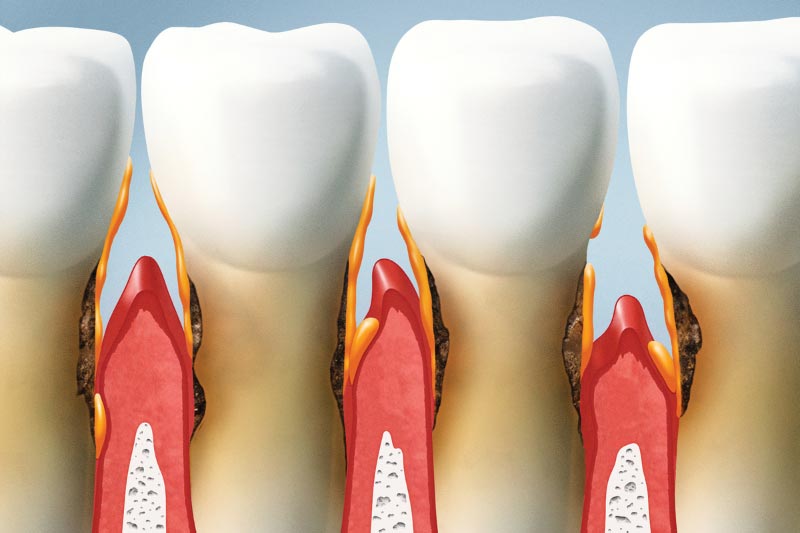
Periodontitis is inflammation of the periodontium with alveolar bone destruction caused by bacteria. These bacteria live in the space between the tooth and the gum, triggering an inflammatory process that leads to periodontal pockets.
It is considered irreversible; bone lost cannot be recovered.
Beyond bacteria and genetic predisposition, secondary factors include smoking, certain medications, systemic diseases (such as hypertension or diabetes), tooth malpositions, and habits like bruxism.
When should you see a periodontist?
The further periodontal disease advances, the longer and more costly treatment becomes. See a Periodontist if you notice any of the following:
- Red, swollen gums or bleeding when brushing or flossing.
- Chronic bad breath or a bad taste in the mouth.
- Teeth that look longer (possible gum recession).
- Shifting teeth or a feeling that a tooth is loose.
- Changes in your bite your mouth feels different when biting or chewing.
- Increased tooth sensitivity to hot or cold.
- Diabetes, since periodontal bacteria feed on sugar and higher salivary glucose can increase vulnerability to gum disease.
This article explains what periodontics is and the warning signs of periodontal disease. Remember, these conditions often don’t hurt in their early stages. If you notice symptoms such as bleeding or swelling, it’s important to seek a professional evaluation. This text is informational and does not replace a diagnosis.
If you have any symptoms of periodontal disease, schedule an evaluation. Contact us via WhatsApp, phone call, or through our form.