A frequent question patients ask is whether being diabetic is a problem when getting dental implants in Monterrey. This article briefly explains what diabetes is, how it affects oral health, and the recommendations a patient should follow if they decide to undergo implant surgery.
According to Mexico’s National Institute of Public Health, since the year 2000 diabetes mellitus has been the leading cause of death among women and the second among men in Mexico. In 2010 alone, the disease caused around 83,000 deaths in the country.
In addition, the 2019 National Health and Nutrition Survey reported that Mexico ranks ninth in the world for the number of people with diabetes without even counting those who have it but haven’t been diagnosed yet.
What is diabetes mellitus?
It’s a metabolic disorder characterized by persistently high blood glucose (sugar) levels.
This disorder is due to a defect in the production or use of insulin a hormone produced by the pancreas that regulates blood glucose, allowing sugar to enter cells to supply the body with energy.
Without insulin’s effect, the body doesn’t absorb glucose properly, and it remains in the bloodstream. Over time, high blood sugar can cause a series of systemic problems that endanger overall health.
Diabetes particularly affects organs such as the brain, kidneys, and retina. As a result, people with diabetes are at higher risk of brain damage, kidney failure, vision loss, and even total blindness.
The disease also leads to poor wound healing, so injuries take much longer to recover.
The 3 types of diabetes
- Type 1 diabetes: occurs when the pancreas doesn’t produce enough insulin.
- Type 2 diabetes: the most common form. Unlike Type 1, the capacity to produce insulin doesn’t disappear, but the body develops peripheral insulin resistance, often due to excess sugar intake it is therefore acquired.
- Gestational diabetes: develops in some women during pregnancy and usually disappears after delivery.
If I have diabetes, am I at greater risk of oral problems?
Beyond its effects on general health, diabetes also causes oral complications.
There is a bidirectional relationship between diabetes and periodontitis. This means that, on the one hand, a person with diabetes has a higher likelihood of developing periodontitis and of it progressing further than in someone without diabetes. On the other hand, periodontitis like any infection can raise blood glucose levels and make diabetes harder to control.
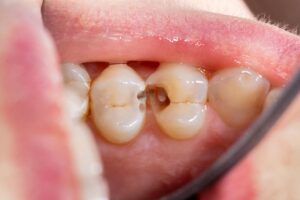
High blood glucose also translates into higher sugar concentration in saliva, which makes teeth more prone to cavities and those cavities tend to be more aggressive.
Can I get dental implants in Monterrey if I’m diabetic?
To date, there is no solid evidence proving that people with diabetes have a higher risk of implant failure.
Therefore, yes you can receive dental implants as long as the disease is well controlled before starting the procedure. In practice, this means the patient is diagnosed and is under a physician’s supervision and treatment.
In such cases, the success rate is similar to that of patients without diabetes around 90%.
What precautions should a diabetic patient take when getting dental implants in Monterrey?
The most important point is that the person with diabetes has the disease under control before undergoing implant treatment.
After the procedure, the dental specialist will indicate the next steps and the specific after-care the patient must follow based on their individual case.
In addition to the postoperative instructions, the patient should maintain excellent oral hygiene to prevent periodontal disease.
Given the disease’s high prevalence in Mexico, it’s worth emphasizing that controlling and preventing diabetes requires maintaining a healthy weight, increasing physical activity, and eating a high-fiber diet rich in fruits, vegetables, and whole grains.
Remember: a person with diabetes can lead a relatively normal life, but must take extra precautions to prevent the disease’s complications from appearing.
This article explains that a patient with diabetes can receive dental implants provided the condition is medically controlled. In these cases, the success rate is similar to that of non-diabetic patients. This content is for guidance; an evaluation by an implant specialist is essential to confirm that your health allows the procedure to be performed safely.
Receive a safe, personalized implant plan tailored to your health needs. Book an evaluation with Dr. Daniel Fernández. Contact us via WhatsApp, phone, or our contact form.