Oral health is an integral part of overall health and well-being. Dental caries and periodontal diseases are the most common oral conditions affecting people throughout their lives.
Oral health and nutrition have an interdependent relationship.
Malnutrition can affect tooth development both the skeletal component and the integrity of the stomatognathic system, that is, the set of organs and tissues that enable the physiological functions of eating, speaking, articulating, chewing, swallowing, and smiling.
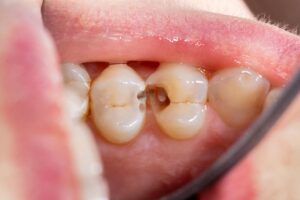
A poor diet can also adversely influence the timing of tooth eruption and craniofacial growth and development. However, the most important effect of nutrition on oral health is the one caused directly by food in the mouth, such as dental caries.
Diets rich in carbohydrates and fats promote the formation of adipose tissue, triggering the adipocyte to release pro-inflammatory adipokines, the proteins responsible for regulating excess fat in the body.
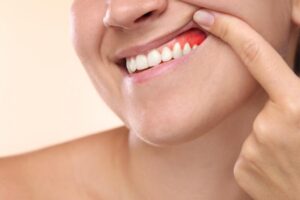
These pro-inflammatory adipokines can increase oxidative stress and reduce blood flow to the gums in people with obesity, aggravating periodontal disease. Oxidative stress is one of the most studied factors to explain inflammatory processes. Inflammation is recognized as a causal factor in periodontal disease, such as gingivitis and periodontitis.
A study published in 2015 in the National Library of Medicine concluded that higher intakes of vitamin C, beta-carotene, and vitamin E are associated with a reduction in periodontal disease, which may be partly attributed to the antioxidant function of vitamins C and E. However, diets rich in fruits and vegetables provide not only antioxidants but also phytochemicals, so the benefits may be due to the synergy of all nutrients.
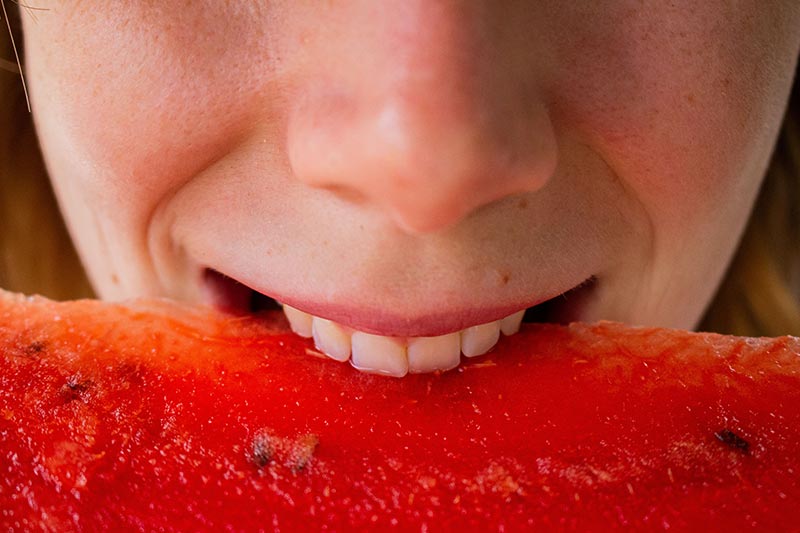
In line with prevention goals for major chronic diseases related to diet and inflammatory processes, an eating pattern rich in fruits, vegetables, and starchy foods, and low in free sugars and fats, benefits oral health in many ways.
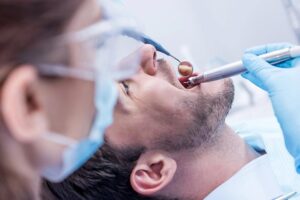
It can be concluded that poor diet may contribute to the development of periodontal disease, but it does not directly cause it. Periodontal disease occurs when inflammation or infection is present and left untreated. For this reason, oral hygiene and regular checkups with a periodontist are very important.
This article explains how diet can influence the health of your gums. As noted, a deficient diet can contribute to the development of periodontal disease, but it is not the direct cause. To determine the origin of your problem and receive an accurate diagnosis, a professional evaluation by Dr. Daniel Fernández is necessary.
To understand the current state of your gum health and receive a professional care plan, the first step is a checkup. Schedule your evaluation by contacting us via WhatsApp, phone call, or the web form. An assistant will help coordinate a time.