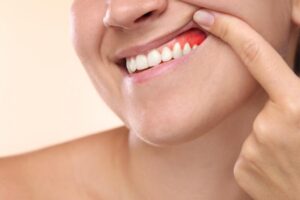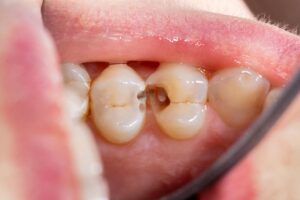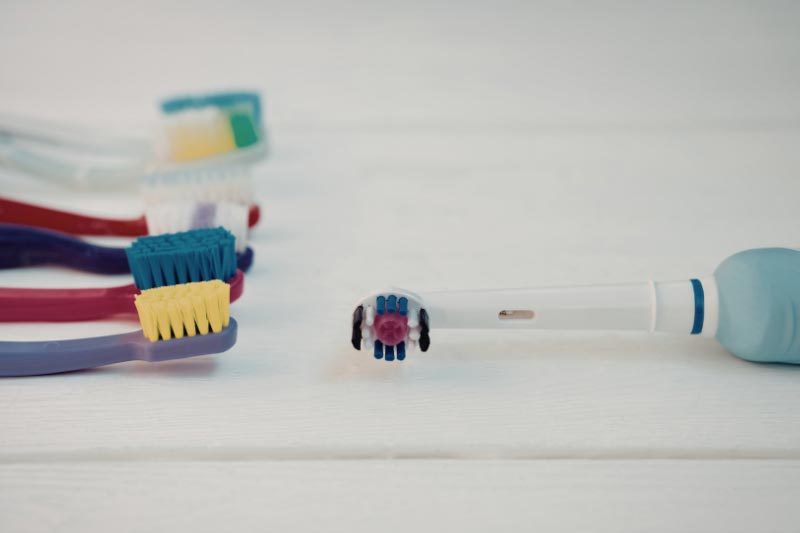
The main advantage of electric toothbrushes is that they can remove more dental plaque, the culprit behind cavities and gingivitis. They also include pressure-control mechanisms, making them less likely to wear down the tooth surface. By contrast, improper manual brushing with too much force can abrade the enamel.
Studies also show that people who use electric brushes tend to brush 20%–40% longer. Some next-generation models include an acoustic timer to ensure at least two minutes of brushing, as recommended by international health organizations.
Regarding which electric brush is best, there’s evidence that oscillating-rotating models are more effective. This technology not only spins but also oscillates the brush head and changes angles to reach the gumline where the gum ends and the tooth begins.
In summary: these factors make plaque removal easier and more effective with an electric device than with a manual brush. The only drawback is cost, since electric brushes are typically much more expensive than conventional ones.
When is a manual toothbrush better?
There are special situations where a manual brush is preferable:
- After surgery: With sutures or a sore area, an ultra-soft manual brush allows gentler brushing and better control over speed and pressure on sensitive tissue.
- With orthodontics: An electric brush can sometimes dislodge a wire or bracket.
- For children: There’s a much wider range of manual brushes sized for children’s mouths and hands.
This text helps you decide between an electric and manual toothbrush. Remember, the tool is only one part of good hygiene; a professional evaluation can help define a complete routine.
For an assessment of your brushing technique and oral health, book an appointment with Dr. Daniel Fernández.