Menopause is a stage in a woman’s life that brings physical and emotional changes, typically beginning between ages 45 and 55. Early symptoms often include hot flashes, headaches, and irritability.
The decline in hormone production during menopause leads to changes in the gums, oral mucosa, and the bone that supports the teeth. These changes can alter the color and shape of teeth and may even lead to tooth loss.
What are the most common oral effects of menopause?
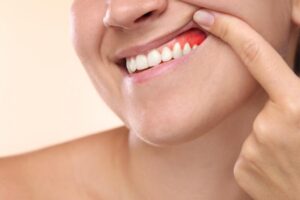
- Desquamative gingivitis: separation (peeling) of the outer layers of the gums, sometimes exposing the tooth root and causing sensitivity to external stimuli.
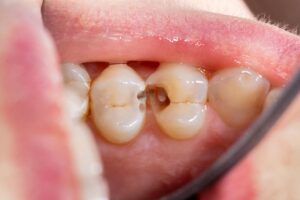
- Root caries: often arises as a consequence of desquamative gingivitis.
- Xerostomia (dry mouth): increases the risk of cavities, makes swallowing difficult, and can cause bad breath.
- Thinning of the oral mucosa: due to reduced hormone production, the mouth’s mucosal tissues like those throughout the body become more fragile and their protective function weakens.
- Dental deterioration: aging is generally accompanied by a loss of the teeth’s original luster and whiteness, which tend to become more opaque and yellow.
- Bone loss: menopausal osteoporosis often worsens, and reduced bone density can also affect the jaws.
How can you maintain good oral health during menopause?
Some oral effects of menopause can be reduced by following these tips:
- Maintain good daily oral hygiene: brush after every meal and use dental floss and mouthwash.
- Use a low-abrasivity toothpaste to avoid damaging the gums and a soft-bristled toothbrush to protect enamel.
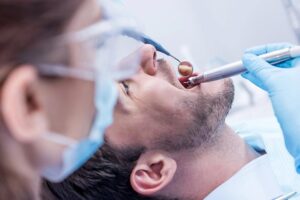
- Visit the dentist at least once a year for a professional cleaning and checkup.
- Avoid smoking, especially if you have dry mouth.
- Eat foods rich in calcium and vitamins A, C, and E to strengthen bones, skin, and mucosal tissues.
- Drink plenty of water; in cases of dry mouth, consider moisturizing sprays or mouthrinses.
The effects of menopause are inevitable, but reaching this stage with good oral hygiene is essential to keep your teeth in good condition and preserve their function for many years.
It’s important to consult your physician or gynecologist about any issues or questions that arise during menopause. This is a complex phase of life in which many women may need extra support and understanding.
If you’re experiencing any of the common oral problems associated with this period or would like to learn more about the treatments we offer please contact us.
This information is for guidance. Although menopausal changes are unavoidable, their oral effects can be controlled with a specialist’s prevention and care plan.
Prevent menopause-related oral problems schedule a dental evaluation with Dr. Daniel Fernández.