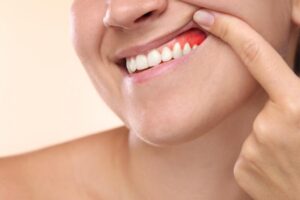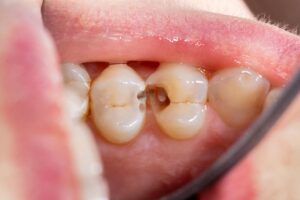
Good oral hygiene is important not only for oral health but also for overall well-being. Multiple studies conclude that periodontal diseases are a risk factor for serious conditions like coronary heart disease and diabetes.
Oral hygiene starts with brushing but how do you know which manual toothbrush to choose?
Bristle characteristics
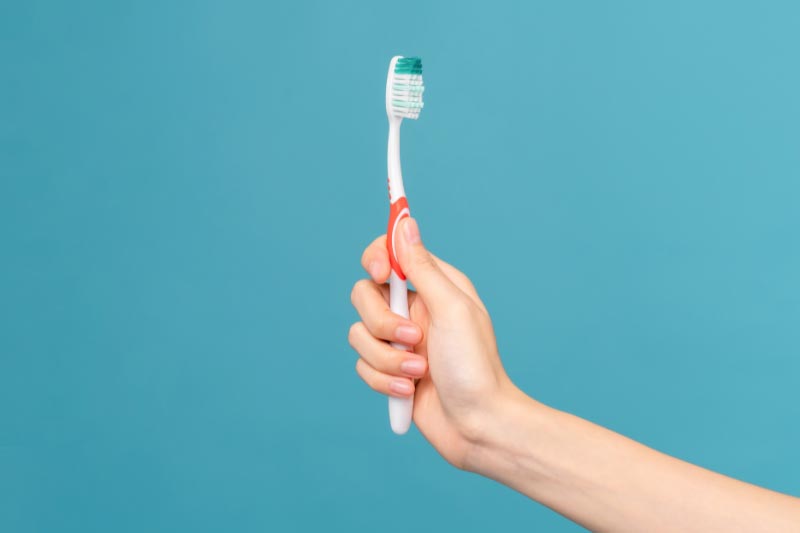
First, look at the bristle material. They should be nylon with rounded tips.
It’s important that the bristles are soft. Thanks to their greater flexibility and range of motion, soft bristles remove plaque and food debris more effectively.
Be cautious with hard-bristle brushes: they can damage the gums, the root surface, and the tooth enamel.
Head and handle size
Your brush should allow easy access to all tooth surfaces. For most adults, a head width of about ½ to 1 inch is the easiest to use and most effective. Larger heads can be hard to maneuver in hard-to-reach areas like the sides and back surfaces of the molars.
Also, make sure the handle feels comfortable and secure in your hand.
Expert recommendation
To be sure a toothbrush has undergone rigorous quality testing, look for models that carry the seal of approval from a recognized dental association.
Brushing technique
Using the right technique is essential. Even with the best brush, poor technique can injure your gums and teeth and fail to remove plaque adequately raising the risk of gingivitis or periodontitis.
This information is for guidance. Remember: a soft-bristle brush helps protect your gums. At an in-office visit, we can provide personalized recommendations.
For an oral-health check and a professional cleaning, book an appointment with Dr. Daniel Fernández.