Dental implant placement has become popular for many years thanks to its natural, long-lasting results. Our clinic has specialized in dental implants for over 10 years.
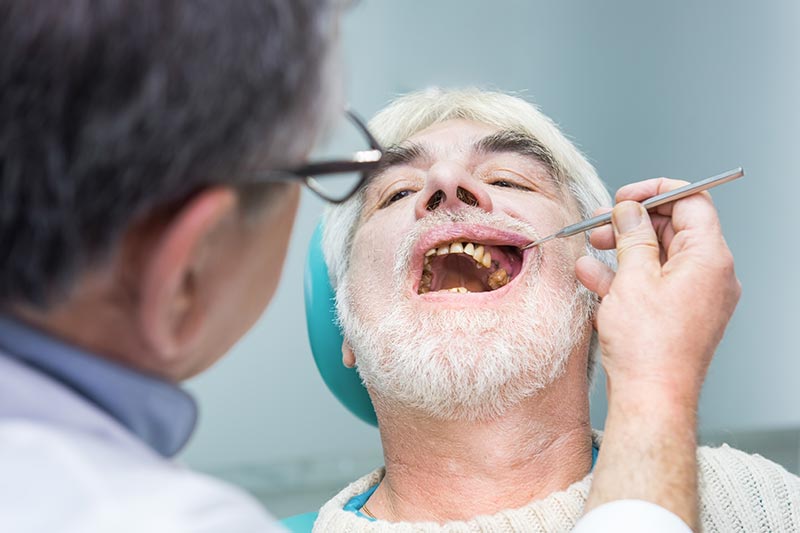
The lack of teeth is a very common problem among adults. Whether due to trauma or as a consequence of oral disease, losing a tooth seriously affects both the function and the esthetics of your smile.
The dentition is naturally and strategically structured every tooth has a function. That’s why losing one or several teeth leads to a series of issues that can become significant. The more teeth are missing and the longer you wait to replace them, the greater the changes.
What are the causes of dental loss?
Periodontal disease is the leading cause of tooth loss in adults. Complications related to periodontal disease can, in extreme cases, result in teeth falling out.
Periodontal disease is an infection of the tissues that support the teeth. It generally results from poor oral-hygiene habits, which allow dental plaque to accumulate and harden on the teeth.
Broadly speaking, there are two types of periodontal disease: gingivitis and periodontitis. Gingivitis is an inflammatory process of the gums; periodontitis is a worsening of that process that can damage the soft tissues and bone supporting the teeth to the point of tooth loss.
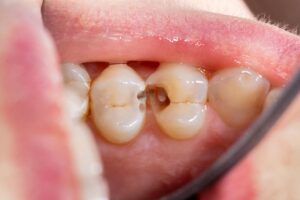
Another, less common cause of tooth loss is a very advanced cavity that cannot be treated with a root canal. In this case, the tooth must be extracted to relieve pain and prevent the infection from spreading.
Caries is the destruction of tooth enamel, the tooth’s hard outer layer. It’s more common in children, but age-related changes also make it a problem for adults.
Blows or trauma can also cause tooth loss. In other cases, an impact creates fractures that spread over time and break the tooth.
What are the consequences of losing one or more teeth?
Missing teeth cause all kinds of oral problems both esthetic and functional.
Esthetic problems:
- Missing teeth cause obvious esthetic issues that can lead to major self-consciousness when smiling and damage self-esteem.
- In addition to the bone loss that accompanies missing teeth, over time facial features can change. The main esthetic consequence is a sunken upper lip.
Functional problems:
- Speech difficulties. Missing one tooth or all of them can make it hard to pronounce certain sounds correctly.
- Chewing problems. The lack of one or more teeth can lead to poor food breakdown, often inefficient, forcing the stomach to do work the mouth should do.
- Bone loss. One of the main consequences of tooth loss. If a missing tooth isn’t replaced promptly, jawbone volume decreases and tooth wear accelerates.
- Tooth migration. The space left by a missing tooth can cause neighboring teeth to shift, leading to bite (occlusion) problems.
How can missing teeth be solved?
There are several options to address the loss of one or more teeth:
- Fixed bridges. Fixed dental prostheses placed over prepared natural teeth. This treatment requires shaving down healthy teeth to seat the bridge. It does not prevent jawbone resorption or loss over time.
- Dentures. These can be fixed or removable. Removable dentures are taken out daily and held by adhesion. If most teeth are missing, a complete fixed denture may be recommended. While faster and simpler initially, problems often arise over time.
- Dental implants. Currently the best treatment option for missing teeth. A dental implant acts like a tooth root, fusing to the patient’s bone and thereby preventing bone loss.
Why are we the best option for dental replacement?
Unlike some implant clinics in Monterrey that advertise a bait price and then add line-items and components, Dr. Daniel Fernández provides a final quote that includes:
- Implant placement surgery.
- Suture removal.
- Implant uncovering.
- Second-stage (healing) screw placement.
- Impression taking and all components needed to fabricate the Crown.
- Definitive porcelain-fused-to-metal crowns.
- All office visits during treatment.
- Implant replacement in the event of immediate or early failure.
Dr. Daniel Fernández provides the quote after a clinical exam and review of X-rays and a Cone Beam CT scan.
In addition, the total cost of an implant does not have to be paid all at once. For example, payment for implant rehabilitation is made 3 to 4 months after surgery, when the dental crown is placed.
Another advantage: we offer interest-free payment plans from 6 to 12 months for almost all major credit cards.
This article explains the consequences of tooth loss and compares different solutions. As detailed, dental implants are the best treatment option because they prevent bone loss and do not affect healthy teeth. This content is for guidance; to determine whether you’re a candidate and receive a detailed plan, a professional evaluation is essential.
Choose the best solution for tooth loss. Book an implant evaluation. Contact us via WhatsApp, phone call, or through our contact form.