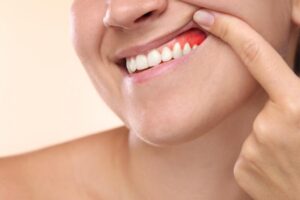
Gingival recession, or receding gums, is a clinical condition where the gum tissue margin migrates toward the root of the tooth. This process exposes the cemento-enamel junction and the dentin, leading to increased thermal sensitivity, root caries, and progressive attachment loss. A gum graft is a mucogingival surgical procedure designed to restore the lost tissue volume and protect the underlying dental or implant structure.
Why Do Gums Recede?
The loss of gingival tissue can result from mechanical, biological, or pathological factors that must be diagnosed by a specialist before surgical intervention:
- Periodontal Disease: Chronic inflammation from bacteria destroys the collagen fibers and alveolar bone that support the gums.
- Traumatic Brushing: Aggressive hygiene techniques or hard-bristled brushes wear down the tissue, particularly in patients with a thin gingival biotype.
- Orthodontics: Rapid tooth movement or positioning teeth outside the bony housing can trigger recession post-treatment.
- Genetics: Some individuals are predisposed to thin gum tissue, making them more susceptible to recession even with proper hygiene.
Advanced Techniques in Gingival Surgery
The choice of surgical technique depends on the severity of the recession (based on the Cairo or Miller classification) and the clinical objective:
Connective Tissue Graft (CTG)
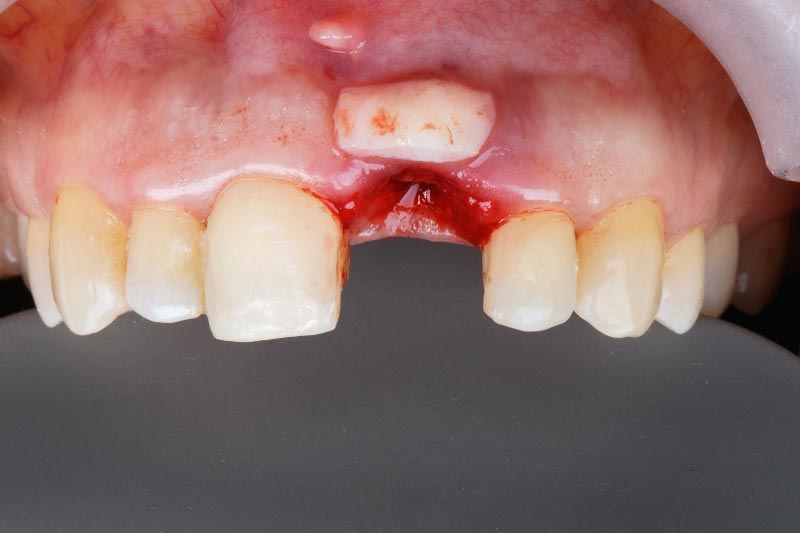
This is the gold standard for root coverage due to its high predictability and aesthetic integration. It involves harvesting a sub-epithelial connective tissue layer from the palate and placing it over the exposed root. This technique is frequently used in our gum tissue graft procedures in Monterrey to improve tissue thickness and stability.
Free Gingival Graft (FGG)
This method is primarily utilized to increase the zone of keratinized (firm) tissue around teeth or implants. While it provides excellent functional support and prevents further recession, it is typically reserved for areas where aesthetics are not the primary concern.
Regenerative Biomaterials
In specific cases, Acellular Dermal Matrices or enamel matrix derivatives (such as Emdogain) may be used to stimulate natural regeneration. These materials are often combined with bone grafting when significant structural support has been lost.
How Much Does a Gum Graft Cost in 2026?
The cost of a gum graft is determined by the complexity of the case and the materials required. For international patients, Mexico offers a significant cost advantage without compromising clinical standards. At Dr. Daniel Fernández’s clinic, the cost per area starts at $8,500 MXN (approximately $500 USD, based on an exchange rate of $17.00 MXN).
In comparison, similar procedures in the United States or Canada typically range from $1,500 to $3,000 USD. Factors that may influence the final investment include:
- Number of Teeth: Treating multiple contiguous recessions in a single session.
- Graft Source: Use of the patient’s own tissue versus donor tissue or regenerative proteins.
- Sedation Needs: For patients with dental anxiety, conscious sedation is available for an additional fee.
- Concomitant Procedures: If the site requires dental implant surgery or crown lengthening.
Is the Procedure Painful?
The surgery is performed under deep local anesthesia, ensuring the patient remains comfortable throughout the intervention. Postoperative discomfort is typically managed with standard analgesics. For patients seeking a completely stress-free experience, our facility provides sedation protocols managed by clinical guidelines.
Postoperative Care and Avoiding Complications
While the patient’s own tissue eliminates the risk of biological rejection, the success of the graft depends on proper healing. A common concern is gum graft necrosis, which can occur if there is excessive movement or pressure on the site during the first few days. Patients are advised to:
- Avoid rinsing or spitting on the day of surgery.
- Consume a soft, cold diet for the first 48 hours.
- Refrain from pulling the lip to inspect the graft, as this can disrupt the sutures.
- Follow the prescribed antibiotic and anti-inflammatory regimen strictly.
Specialized Periodontal Care in Monterrey
Precision in mucogingival surgery is the most critical factor for long-term success. Dr. Daniel Fernández is a periodontist specialist in Monterrey focused on restorative and aesthetic gingival treatments. Whether you are an international patient seeking high-quality affordable care or a local resident, our dental clinic in Monterrey provides comprehensive evaluations. We recommend scheduling a consultation to receive a personalized treatment plan and a precise cost estimate.