The vast majority of oral conditions can be treated with appropriate dental care. Having a trusted dentist is very important for maintaining optimal oral health, since they will provide timely preventive treatments and correct any abnormalities of the teeth and gums.
There is a wide variety of diseases and conditions that can affect your oral health. And although not everyone will experience them, some have high prevalence in the population and are more likely than others to develop at some point in life.
Call or message us to schedule an appointment!
In this article we briefly explain the most common oral diseases and how to prevent them.
Dental caries: What is it and how is it treated?
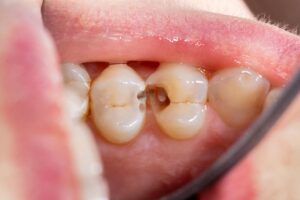
After the common cold, dental caries (tooth decay) is the most widespread disease in the world and the main reason people visit a dentist.
Plaque, a sticky film of bacteria, forms on teeth constantly. When you eat or drink sugary foods and beverages, plaque bacteria produce acids that attack the tooth enamel. Because plaque adheres strongly, these acids remain in contact with the teeth and, over time, enamel breaks down, forming a cavity.
“It’s common for people over 50 to have root caries.”
Gum recession, together with a higher incidence of periodontal disease, can expose the tooth root to plaque. Tooth roots are covered by cementum, a softer tissue than enamel that is more vulnerable to decay and more sensitive to hot and cold.
Treatment depends on how far the cavity has progressed. In early, limited cases, a dental filling solves the problem.
When decay is very advanced and directly affects the nerve, a root canal is needed or, in more severe cases, tooth extraction.
Periodontal disease, causes and main consequences
Periodontal disease is an infection of the tissues that surround and support the teeth. It is one of the leading causes of tooth loss in adults and the second most common reason for dental visits. Because it is often painless, people may be unaware they have it. Plaque is the primary cause of gum disease.
Periodontal disease causes redness, inflammation, and bleeding of the gums.
Depending on its progression, it is divided into two stages:
- Gingivitis is the first stage and is usually reversible. If it isn’t diagnosed in time or treated properly, it can progress to periodontitis. Gingivitis causes mild symptoms such as inflammation or gingival bleeding and can be cured with a professional dental cleaning, followed by good oral hygiene at home.
- Periodontitis is the advanced stage and can lead to tooth loss. Though it shares the same origin as gingivitis, it presents other symptoms such as bad breath and tooth mobility. Treatment depends on severity and may involve scaling and root planing (curettage) or periodontal surgery.
Bad breath, true causes and solutions
Bad breath (halitosis) is a combination of unpleasant odors that come from the mouth. It affects many people and is uncomfortable both for those who have it and for those around them. In many cases it is temporary, but when it persists, it should be treated professionally.
Approximately 75% of bad breath results from poor dental hygiene, which leads to plaque buildup around the gumline and on the back of the tongue.
Other causes are related to stomach issues, sinus infections, and periodontitis. Certain foods, smoking, and some medications can also cause halitosis.
Proper brushing, plus flossing and mouthrinse, is the most effective routine to prevent and fight bad breath. If halitosis persists despite good hygiene, consult a dentist to rule out a more serious condition.
How can these oral diseases be prevented?
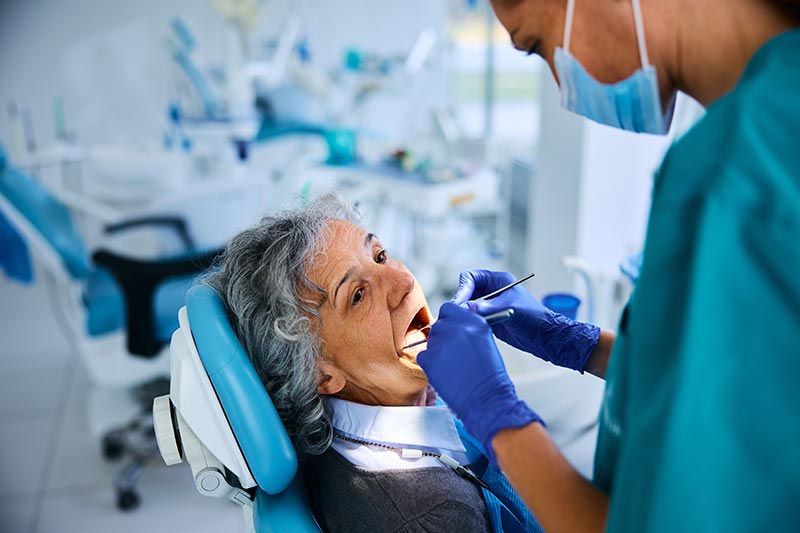
In addition to maintaining healthy habits, the best way to prevent the most common oral diseases is to visit a dentist every 6 months to prevent, detect, and treat any issues early.
- Oral-hygiene technique: brush your teeth after every meal for at least 2 minutes. Don’t forget to use dental floss and mouthrinse at least once a day.
- Don’t smoke or reduce tobacco use: tobacco stains teeth, turns them yellow, and causes bad breath. It is also a major risk factor for oral cancer.
- Healthy, balanced diet: include fruits, vegetables, fish, and quality meats to help maintain optimal oral health. Avoid or reduce sugars, acids, and processed foods (ready-made meals, industrial bread, sodas, etc.) that favor cavities.
Your oral health is vital to your overall well-being and deserves expert care. Dr. Daniel Fernández, Periodontist, is here to help you prevent, diagnose, and treat any oral disease effectively. Don’t wait until symptoms become severe. Make your oral health a priority and contact us today.
The information in this post is for guidance. Caries, periodontal disease, and bad breath usually originate from inadequate hygiene; a professional evaluation is key for prevention and treatment.
Receive a diagnosis of your oral health status; book an evaluation appointment with Dr. Daniel Fernández.