The stress and anxiety generated by the pandemic didn’t just affect daily life and how we relate to one another it also harmed oral health.
Now that we’ve reached the stage of the “new normal,” the country has been recovering some of the activities that were part of everyday life before the pandemic began.
Lockdowns forced everyone to pause certain non-urgent medical treatments, including those related to oral health.
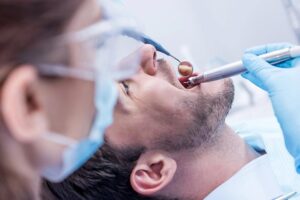
As dental clinics reopen and begin offering services with relative normality, dentists are finding a series of common problems in many of the patients we see.
There are three oral problems that most affected our patients during the health contingency: periodontal disease, cavities, and bruxism.
Periodontal disease
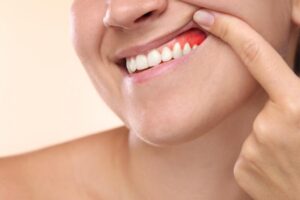
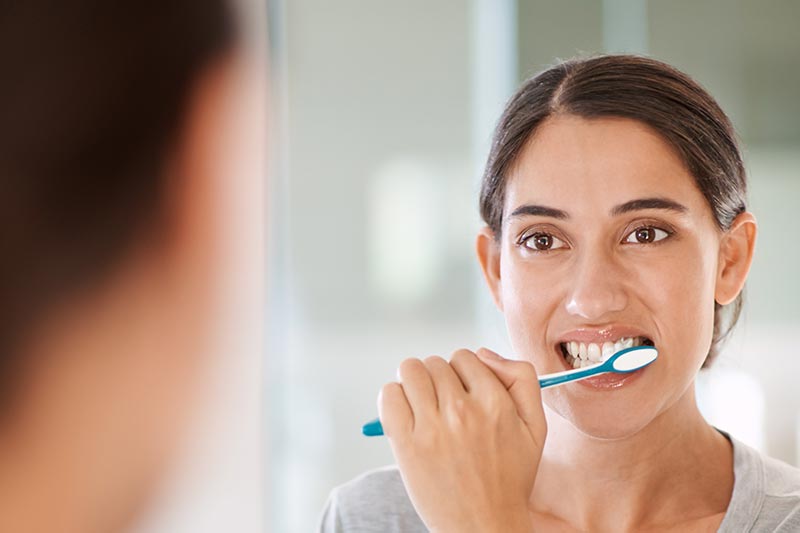
Periodontal disease is an infection of the tissues that hold the teeth in place. In general, it arises from poor brushing habits and improper flossing, which allow plaque a sticky, bacteria-filled film to accumulate on the teeth and harden.
In advanced stages, periodontal disease can cause gum pain and bleeding, pain when chewing, and even tooth loss.
During these long days of confinement, it’s normal to have felt worries about different aspects of our lives thoughts that translate into stress that harms overall health.
The mouth also ends up suffering the effects of anxiety and constant unease.
Stress has been linked to the prevalence and progression of periodontal disease. According to several studies, people with high stress levels present twice as much periodontal disease as those with minimal stress.
As a consequence, some of our patients who recently returned for care showed signs of periodontal disease.
Cavities
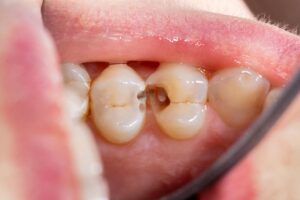
Cavities were another of the oral problems that most affected our patients during confinement. Not for nothing it’s the most common oral disease in the population, affecting people of all ages.
Not being able to come to the clinic for as long as two months greatly impacts oral health. In addition, given the circumstances experienced during this time, it’s no surprise that many people changed their eating habits.
A diet based on snacking throughout the day means the mouth constantly retains food residues and, with that, accumulates more dental plaque.
It’s also important to note that people who are in the middle of fixed orthodontic treatment with braces metal or lingual require stricter hygiene control.
Bruxism
Lastly, the third most frequent oral problem in the patients who are returning to the clinic involves jaw pain.
Stress directly affects sleep, not only preventing proper rest but also causing people to clench their teeth unconsciously.
This habit, known as bruxism, leads to long-term tooth wear and increased tension in the temporomandibular joint (TMJ).
The TMJ is the joint that connects the skull to the jaw through a small bone called the condyle, so excessive bite force causes pain and discomfort in this area.
Other noticeable symptoms of bruxism and tension include neck, ear, and tooth pain, facial muscle stiffness, difficulty opening or moving the mouth, or joint clicking.
The most effective treatment to help relax the jaw during sleep is a custom night guard, at least until we can resume normal life and leave current worries behind.
We are currently working with safety barriers in the clinic to guarantee safety for both our patients and staff.
If you have any of the oral problems described above or would like an assessment for any other treatment we provide at the clinic, don’t hesitate to contact us.
This article describes how lockdown-related stress has affected oral health, contributing to periodontal disease and bruxism. For an evaluation of the effects on your oral health, a professional consultation is necessary.
If you’ve experienced any of these oral problems, request a consultation with Dr. Daniel Fernández.