According to the World Health Organization (WHO), hypertension is the leading cause of death worldwide. In Mexico, prevalence is the highest in the world: 1 in 3 adults has the condition, per the National Health and Nutrition Survey 2012.
Hypertension is a chronic disease defined as blood pressure above 140/90 mmHg. Most people with hypertension show no symptoms, which is why it’s known as the “silent killer.” Hence the importance of preventing its onset and controlling the disease.
Periodontitis increases the risk of arterial hypertension
A recent study by the Eastman Dental Institute at University College London showed, on one hand, that periodontitis significantly increases the risk of developing hypertension and, on the other, that clinical treatment of periodontitis lowers blood pressure to a degree comparable to antihypertensive drugs.
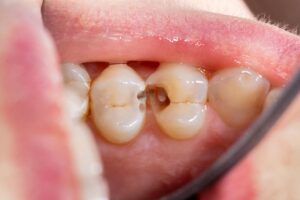
Periodontal disease refers to pathological involvement of the gums and has two stages: gingivitis and periodontitis. Gingivitis is gum inflammation caused by calculus (tartar) buildup; periodontitis is the worsening of this process and can damage the soft tissues and the bone supporting the teeth to the point of tooth loss.
According to the study, the connection between periodontitis and hypertension rests on the fact that the microorganisms driving periodontal inflammation can also promote systemic inflammation, inducing vascular damage.
Results: people with mild to moderate periodontal disease have a 30% higher risk of developing hypertension than those with healthy gums. In severe or advanced periodontitis, the risk jumps to 54%. Once a patient has periodontitis, the likelihood of presenting blood pressure above 140/90 mmHg is 41%.
Therefore, the study demonstrates that oral health strongly conditions cardiovascular health. In fact, treating periodontitis reduces systolic blood pressure by 7–12 mmHg and diastolic by up to 10 mmHg. Based on the findings, treating periodontitis in patients with high blood pressure could yield improvements similar to or greater than those achieved with antihypertensive medications.
The information in this post explores how periodontal treatment can positively impact blood pressure. These benefits are obtained through professional care grounded in an accurate diagnosis. This article is informative; to determine whether you need periodontal treatment and what benefits you might expect, a clinical evaluation is essential.
For a comprehensive periodontal assessment, book an appointment. Contact us via WhatsApp, phone call, or through our form an assistant will help coordinate your visit.