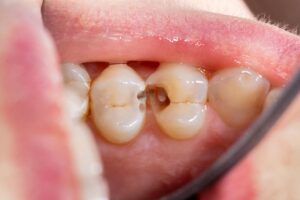
There are multiple factors that contribute to the development of periodontal disease, such as inadequate oral hygiene and smoking. However, a lesser-known factor that affects oral health is stress.
According to a study from Tufts University in the United States, there is a significant relationship between emotional stress and periodontal disease. Two main theories have been proposed: one behavioral and the other biological.
When people are under emotional stress, they often abandon healthy habits and turn to sugary foods, smoke, drink more alcohol, and skip toothbrushing or do it improperly all of which promote bacterial growth. On the other hand, when the body is under stress, it produces large amounts of the hormone cortisol, which typically acts as an anti-inflammatory agent. But when cortisol is produced peripherally in the gums, it appears to stimulate inflammation and thereby promote periodontal disease.
Emotional stress has long been considered a risk indicator for many conditions, such as coronary heart disease and digestive problems.
The rationale for the association between stress and periodontal disease is based on three aspects:
- An alteration of the immune system, which functions less effectively overall and therefore also in the gums.
- A change in personal habits, including poorer oral hygiene and increased consumption of tobacco or alcohol.
- It favors teeth clenching or bruxism, which in turn raises the risk of developing or worsening periodontal diseases.
Studies in this area are challenging to conduct, since measuring the degree of stress is difficult. It has also been suggested that it is not so much stress itself, but rather how the individual copes with stress, that may have a greater impact on the risk of periodontal pathology.
Sometimes patients may have periodontal disease without any warning signs, which is why it’s important to see a periodontist regularly, brush your teeth two or three times a day, floss, eat a healthy diet, exercise regularly, and use relaxation techniques such as meditation and yoga to help reduce stress levels.
This article explores the complex relationship between stress and periodontal disease, addressing both behavioral and biological factors. This information is for guidance. While stress management is a broad topic, professional gum care is a direct action you can take to protect your oral health. For an assessment of your periodontal status, a clinical evaluation is necessary.
If you feel stress has affected your hygiene habits, a professional checkup is important. Book an evaluation with Dr. Daniel Fernández in Monterrey. Contact us via WhatsApp, phone call, or through the contact form.