Parkinson is a chronic neurodegenerative disorder that affects the part of the brain that controls the motor system. In some cases the causes are genetic, but in most, it does not appear to run in families.
The main symptoms include loss of coordinated movement, resting tremor, and muscle rigidity.
There is no single diagnostic test for Parkinson. Doctors use a patient’s history and a neurological exam to diagnose it. There is also no cure, although medications can sometimes help improve symptoms.
How does Parkinson affect oral health?
People with Parkinson’s commonly experience oral problems. The American Parkinson Disease Association recognizes the following oral issues:
- Excessive salivation (sialorrhea): some Parkinson’s medications, such as Sinemet, contribute to excessive salivation. Excess saliva can increase plaque and calculus (tartar) buildup.
- Dry mouth (xerostomia): also related to the use of various medications for Parkinson’s and other medical conditions. Dry mouth makes swallowing difficult and contributes to more oral infections.
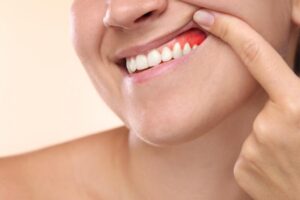
- Periodontal disease: loss of fine motor control affects the oral cavity and upper limbs, making oral hygiene difficult and increasing the likelihood of gingivitis.
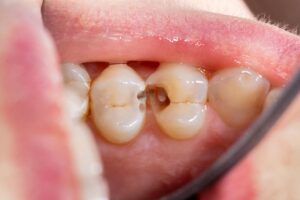
- Cavities (dental caries): associated with xerostomia; without sufficient saliva, bacteria are not adequately washed away and remain on tooth surfaces, promoting decay.
- Bruxism and tooth fractures: Parkinson’s can contribute to abnormal chewing patterns, excessive teeth grinding (bruxism), and dental fractures.
- Difficulty wearing removable dentures: due to episodes of facial muscle rigidity.
What are the recommendations for oral care in people with Parkinson?
To avoid xerostomia, drink plenty of water and chew sugar-free gum to stimulate saliva. Avoid alcoholic beverages, smoking, and alcohol-based mouthrinses.
Oral hygiene is essential to prevent cavities and periodontal disease. Electric toothbrushes can make daily care easier. Limit very sugary foods and refined flours to reduce the risk of caries.
Maintaining good oral health is vital for people with Parkinson’s. A study conducted at Ta-Tung Municipal Hospital in Kaohsiung, Taiwan, found that maintaining good oral health reduced the risk of pneumonia in patients with Parkinson’s, reflecting how oral health can influence overall health in those living with the disease.
To address these problems, it is very important to see a dentist
Although this article offers general recommendations for oral care in patients with Parkinson’s, only a dental professional can determine and assess the progression of oral conditions and prevent them from worsening.
This article provides a guide to the oral-health challenges associated with Parkinson’s disease. The recommendations here are general; managing hygiene for each patient requires a personalized approach that considers their motor abilities. For a prevention and care plan tailored to your needs, a specialized evaluation is necessary.
To receive an evaluation and a dental care plan tailored to a patient with Parkinson’s, book an appointment. Contact us by WhatsApp, phone call, or through our form, and an assistant will coordinate your visit.