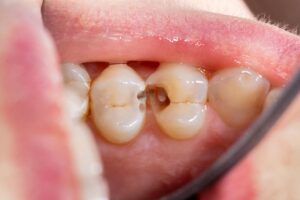
Periodontal disease is a very common dental condition that can go unnoticed because it usually doesn’t hurt. As a result, when it is finally diagnosed, the damage may already be serious and irreversible for your oral health.
A general dentist can treat periodontal disease in its early stages with dental cleanings or antibiotics, but when the problem worsens, only a periodontist can perform the most appropriate procedures to treat diseases of the gums.
What is periodontics? understanding its importance to oral health
Periodontics is the dental specialty that treats diseases of the gums. Periodontal diseases are infections that damage the tissues surrounding the teeth.
The most common periodontal diseases are gingivitis and periodontitis.
Gingivitis is gum inflammation caused by tartar (calculus) buildup. If it isn’t treated in time and the infection continues to progress, it can develop into periodontitis.
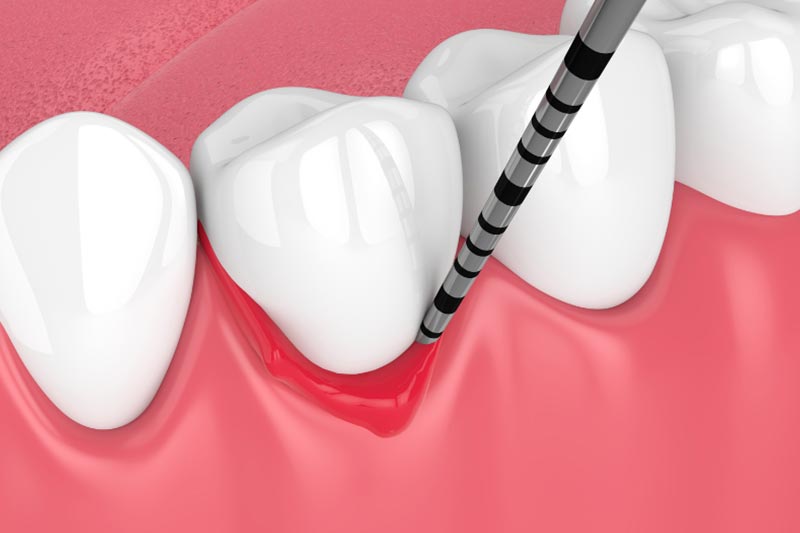
When a person has periodontitis, the gums recede and form periodontal pockets that can become infected, damaging the bone that supports the tooth and increasing the risk of tooth loss.
Treatment varies according to severity: in the early stages, a dental cleaning or scaling and root planing (curettage) may be sufficient, while more advanced cases require periodontal surgery.
The difference between a dentist and a periodontist
A periodontist is a dentist who, in addition to completing five years of dental training, pursued a three-year specialty in periodontics.
This means a periodontist is qualified to do everything a general dentist does, and is also specialized in treating diseases of the gums. Periodontists are further trained to place dental implants and oversee their long-term maintenance.
How know if I need to go with a periodontist?
Periodontal diseases can be reversible if treated early. It’s important to see a periodontist if you experience any of the following:
- Gums that are red, swollen, or bleed when brushing or flossing.
- Bad breath or a bad taste in the mouth that doesn’t go away even after brushing.
- Teeth that look longer than usual or larger spaces between teeth and gums.
- Shifting tooth alignment or a tooth that feels loose.
- Pain while chewing and increased pressure between teeth and gums.
- Sensitivity to hot or cold foods.
Effective periodontal treatments in Monterrey
- Curettage / scaling and root planing: removes tartar and bacteria from periodontal pockets.
- Periodontal surgery: eliminates pockets and corrects bone defects.
- Gum grafting: covers exposed roots caused by recession.
- Esthetic gum recontouring: removes excess gum and reshapes bone height/volume to expose more tooth.
- Gingivectomy: removes excess gum without bone reshaping.
- Bone grafting: regenerates lost bone due to periodontal disease progression or tooth loss.
Restoring teeth lost to periodontal disease
If a tooth is lost due to periodontal disease, the first step is to evaluate and treat the remaining teeth to eliminate infection and prevent further loss. Once controlled, the periodontist will assess bone defects.
If bone conditions are favorable, dental implants can replace the missing teeth. If bone damage is extensive, bone regeneration will be needed before implant placement.
Preventing periodontal diseases
Preventing these diseases requires removing the dental biofilm (plaque) that accumulates on teeth. Brush at least twice a day for two minutes and use dental floss.
Regular dental visits are essential to maintain good oral hygiene.
The purpose of this content is to guide you on when it’s appropriate to see a periodontist. While a general dentist can treat the initial stages, complex gum problems require a periodontist’s care. This information does not replace a consultation; to determine the severity of your case and the correct treatment, a direct clinical evaluation is required.
If you have symptoms such as inflamed gums or persistent bad breath, book a periodontal evaluation. Contact us via WhatsApp, phone call, or by completing our web form; one of our assistants will promptly help schedule your visit.