Periodontal disease and Alzheimer commonly appear in older adults. Many studies have previously linked periodontal disease with dementia.
What is Alzheimer?
Alzheimeris the most common cause of dementia and occurs most frequently in people over 65 years of age.
It is an incurable, terminal disease. The World Health Organization (WHO) estimates that 60–70% of reported dementia cases are due to Alzheimer’s.
Major risk factors include obesity, hypertension, poorly controlled diabetes, smoking, a sedentary lifestyle, and having a first-degree relative (parent or sibling) who has had the disease.
According to the World Alzheimer Report by Alzheimer Disease International (ADI), an estimated 800,000 people in Mexico were living with dementia in 2015, 64% of them women who show higher incidence in part due to their longer life expectancy. By 2030, the number of people with dementia in the country is expected to exceed 1.5 million.
What is periodontal disease?
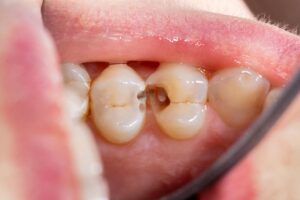
Periodontal disease is an infection of the tissues that surround and support the teeth. It is one of the leading causes of tooth loss in adults and, because it is often painless, a person may not realize they have it.
The origin of periodontal disease is dental plaque, a sticky film of bacteria that forms constantly on teeth. When oral hygiene is poor and tartar (calculus) accumulates, the gums become inflamed. This stage is called gingivitis and is easy to treat.
When the gum detaches from the tooth and there is gradual loss of the supporting bone, the condition is no longer called gingivitis; it progresses to periodontitis.
Signs and symptoms of periodontal disease include:
- Swollen or puffy gums.
- Bright red gums.
- Tender gums.
- Gums that bleed easily.
- Gum recession that makes teeth look longer than normal.
The relationship between Alzheimer and periodontitis
Results from a recent study published in Science Advances provided evidence of a relationship between a bacterium found in chronic periodontitis, Porphyromonas gingivalis, and people with Alzheimer.
Scientists analyzed brain tissue, cerebrospinal fluid, and saliva from living and deceased patients with diagnosed or suspected Alzheimer’s disease. P. gingivalis was found in the brains of the individuals studied.
Earlier mouse experiments had already confirmed that oral bacteria can travel from the mouth to the brain and showed that the toxic protein they secrete, called gingipain, destroys neurons.
These bacteria also increased production of beta-amyloid, a component of amyloid plaques whose accumulation is commonly associated with Alzheimer. Later, scientists tested medications in mice designed to block these toxic proteins and found they could halt brain degeneration.
However, people with Alzheimer are more susceptible to brain infections, so it is possible that periodontal bacteria and their toxic proteins are a consequence rather than a cause. Moreover, these tests have not yet been conducted in humans, only in mice.
Although current evidence suggests a positive association between chronic periodontitis and Alzheimer, the strength of this association and the existence of a causal relationship remain unknown.
How can periodontal disease be prevented?
People over 35 lose more teeth to periodontal disease than to cavities.
Good dental hygiene combined with a professional dental cleaning every six months is the best way to prevent periodontal disease.
This text aims to inform about the possible connection between periodontal disease and Alzheimer’s. While science has not yet established a definitive causal relationship, periodontitis has proven, direct consequences for your oral health. This article should not be used for self-diagnosis; to evaluate and treat any gum problems, a professional consultation is necessary.
Caring for your gums is an important part of your overall health. If you would like a professional periodontal evaluation, book an appointment. Contact us via WhatsApp, phone call, or through our form, and an assistant will help schedule your visit.