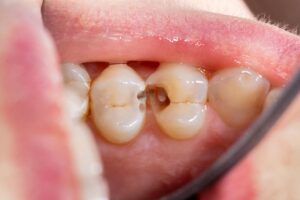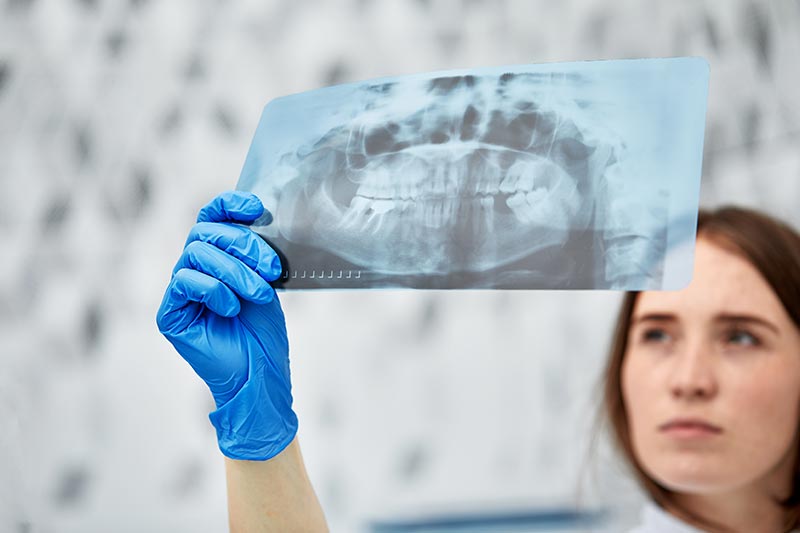
In certain cases, a bone graft is needed before placing a dental implant. A graft is recommended when the bone structure that will support the implant is not adequate.
Main situations where a bone graft is indicated:
- To maintain the dimensions of the alveolar ridge after a tooth extraction.
- To fill bone defects in the area where the implant will be placed.
- In maxillary sinus-lift techniques to achieve the necessary vertical bone height in posterior regions.
It’s common for some patients to feel anxious or fearful when told a bone graft is required prior to implant placement, assuming it’s a complex and painful procedure.
Thanks to modern techniques, bone grafts are performed routinely, and most dentists with implant experience can carry them out without major complications.
In short, a bone graft is simply an aid to achieve the success and long-term survival of a dental implant. By grafting, the implant gains a larger, more suitable surface for permanent, secure fixation.
This article explains that a bone graft is a routine technique used to ensure implant success. We understand it may raise questions, but it’s an adjunct that provides stable fixation. This content is informational; a diagnostic consultation is necessary for a specialist to determine whether you need it and to explain the process in detail.
Find out whether a bone graft is necessary in your case for a successful implant treatment. Book an evaluation appointment. Contact us via WhatsApp, phone call, or through our form.