Contrary to common belief, tooth loss is not the result of the aging process. It is more often a consequence of preventable oral diseases. Good daily hygiene and regular dental visits can help teeth last a lifetime.
Some common issues older adults should watch for include:
Periodontal disease
Periodontal disease is a very common dental condition in adults that can go unnoticed because it usually doesn’t cause pain so when a dentist finally diagnoses it, the damage may already be serious and irreversible.
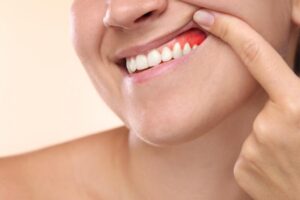
Gingivitis is the initial stage of the disease. It can be reversed with good oral hygiene and professional dental care. Symptoms include irritated, swollen gums and bleeding when brushing. If left untreated, gingivitis can progress to periodontitis.
Periodontitis is a more aggressive form of periodontal disease and affects more than half of people between 65 and 74 years of age. At this stage, infection damages the gums and the bone that supports the teeth. In severe cases, it can lead to tooth loss.
Periodontal disease doesn’t only affect teeth; oral infections can travel through saliva and the bloodstream and impact other organs in the body.
Factors that cause or accelerate periodontal disease include poor dental hygiene, skipping regular checkups, tobacco use, the presence of certain bacteria in the mouth, and systemic conditions (like diabetes) that worsen damage caused by tartar.
Cavities
Dental caries are among the most common health problems worldwide. They occur frequently in children but also in older adults.
As we age, gums may recede due to aggressive brushing, normal tooth wear, and periodontal disease. Gum recession exposes the tooth roots, which are more porous and more susceptible to decay.
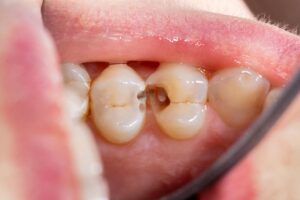
Cavities are permanently damaged areas on tooth surfaces that develop into small bacterial niches or holes.
They arise from a combination of factors: oral bacteria, frequent snacking, sugary drinks, and poor oral hygiene.
If not treated, cavities can spread into deeper layers of the tooth, causing severe toothache, infections, and tooth loss.
The best protection against caries is regular dental checkups and strong brushing and flossing habits.
Dry mouth
Xerostomia refers to reduced saliva production by the salivary glands insufficient to keep the mouth moist.
It commonly occurs as a side effect of certain medications, age-related changes, or cancer radiotherapy. Less commonly, it stems from diseases that directly affect the salivary glands.
Saliva helps prevent cavities by neutralizing acids produced by bacteria, limiting bacterial growth, and washing away food particles. It also improves sense of taste and makes chewing and swallowing easier. Enzymes in saliva aid digestion.
Reduced saliva and dry mouth can range from a minor nuisance to a condition that impacts oral health, appetite, and enjoyment of food.
Depending on the cause, it’s important to consult a dentist if dry-mouth problems persist.
Difficulty brushing
Mobility limitations such as rheumatoid arthritis can make brushing and flossing difficult. Certain products can make oral care more comfortable, like electric toothbrushes, which greatly facilitate brushing.
If these issues are not addressed in time, they can lead to speech changes, greater difficulty chewing, and esthetic problems like premature facial aging. That’s why maintaining good oral hygiene from an early age is essential for overall health and to ensure a better quality of life in older age. Frequent dental visits are also essential.
This article explains that tooth loss is not an inevitable consequence of aging, but rather the result of preventable oral diseases. The content is informational. To keep a complete, functional dentition throughout life, specialist assessment and follow-up are important.
We offer dental care plans tailored for older adults. Book a checkup with Dr. Daniel Fernández in Monterrey. Contact us via WhatsApp, phone call, or through the contact form.