Pain is one of the main concerns patients have when a dentist suggests dental implants to replace missing teeth.
Some studies indicate that fear of pain after implant placement is the primary reason patients decide not to proceed even ahead of cost.
As a general rule, implants do not hurt during placement, nor throughout the postoperative period, nor during day-to-day use when biting and chewing.
This is actually one of the key advantages of implants: they help improve quality of life, allowing people to speak and eat normally.
Given the complexity of the procedure, one might assume that placing a dental implant is uncomfortable and time-consuming. Quite the opposite it’s quick and straightforward.
Anesthesia and conscious sedation
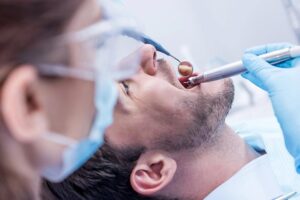
Before the procedure, the periodontist or dental professional performing the surgery administers local anesthesia.
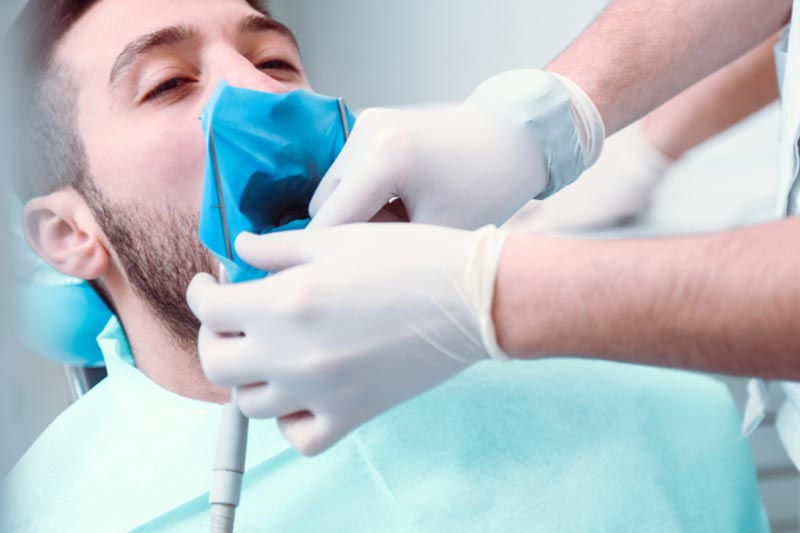
Some people experience high levels of stress and anxiety when undergoing dental treatment. For them, Dr. Daniel Fernández offers conscious sedation, a technique that helps the patient feel more relaxed and less nervous during surgery.
One advantage of conscious sedation is that the patient is sedated but remains semi-awake throughout the procedure, which allows for a very quick recovery.
Which sensations are considered normal?
Once surgery is over, it’s normal to feel some discomfort or swelling in the area. This is not a sign of a serious problem and is typically temporary.
If all goes well, these effects should subside within 7 days. Keep in mind that if more than one implant was placed, discomfort may last a bit longer.
Although today’s procedures are minimally invasive, the following symptoms are considered normal:
- Slight swelling. If this occurs, apply cold to the outside of the face over the implant area.
- If swelling is uncomfortable, an anti-inflammatory or pain reliever should be sufficient always as prescribed by your dentist.
- Mild bleeding during the first 48 hours after surgery. Apply gauze with light pressure on the gum until the bleeding stops.
Your specialist will advise you, case by case, about what sensations or issues you may experience during the postoperative period.
Which symptoms are not normal?
In some cases, symptoms may appear that are not typical after dental-implant surgery:
- The implant site bleeds excessively.
- Pain prevents you from sleeping or performing your usual activities.
- The implant moves.
- The gum around the implant recedes, bleeds, or shows an unusual color.
- Months have passed since surgery and the implant still causes discomfort, especially when biting.
If you experience any of these symptoms, see your dentist.
The importance of follow-up visits
Once the implant has been placed, it’s essential to follow your periodontist’s instructions to ensure success and to attend regular checkups.
As a general protocol, periodontists/implantologists schedule quarterly visits during the first year, and semiannual visits during the first five years.
These visits are used to evaluate the overall condition of the implants, primarily to prevent peri-implant diseases, as well as to review other aspects such as:
- Signs of potential complications, such as redness and swelling.
- The implant’s mechanical stability.
- The condition of the bone and gum.
- The status of the occlusion (bite).
Purpose of this publication: to clarify which sensations are normal after implant surgery and which are not. While mild swelling is to be expected, symptoms like intense pain or implant mobility require professional attention. This text is general in nature. During a professional evaluation, the specialist will explain what to expect in your specific case.
Start the process of replacing missing teeth comfortably and effectively. Book your professional evaluation. Contact us via WhatsApp, phone call, or by completing our online form.